You read the book, took the course, passed the exam. A few months later most of it is gone.
That's not a personal failing. It's how memory works when nothing tells it a piece of information still matters. The good news is that the fix is simple, well-studied, and takes less time than the re-reading most people do instead.
This guide covers why you forget, the two habits that stop it, and how to set up a system that keeps what you learn for years.
Why you forget: the curve nobody escapes
In the 1880s, the psychologist Hermann Ebbinghaus memorised lists of nonsense syllables and tested himself at different delays. His result, now called the forgetting curve, has been replicated many times since: memory drops steeply in the first hours and days after learning, then levels off.
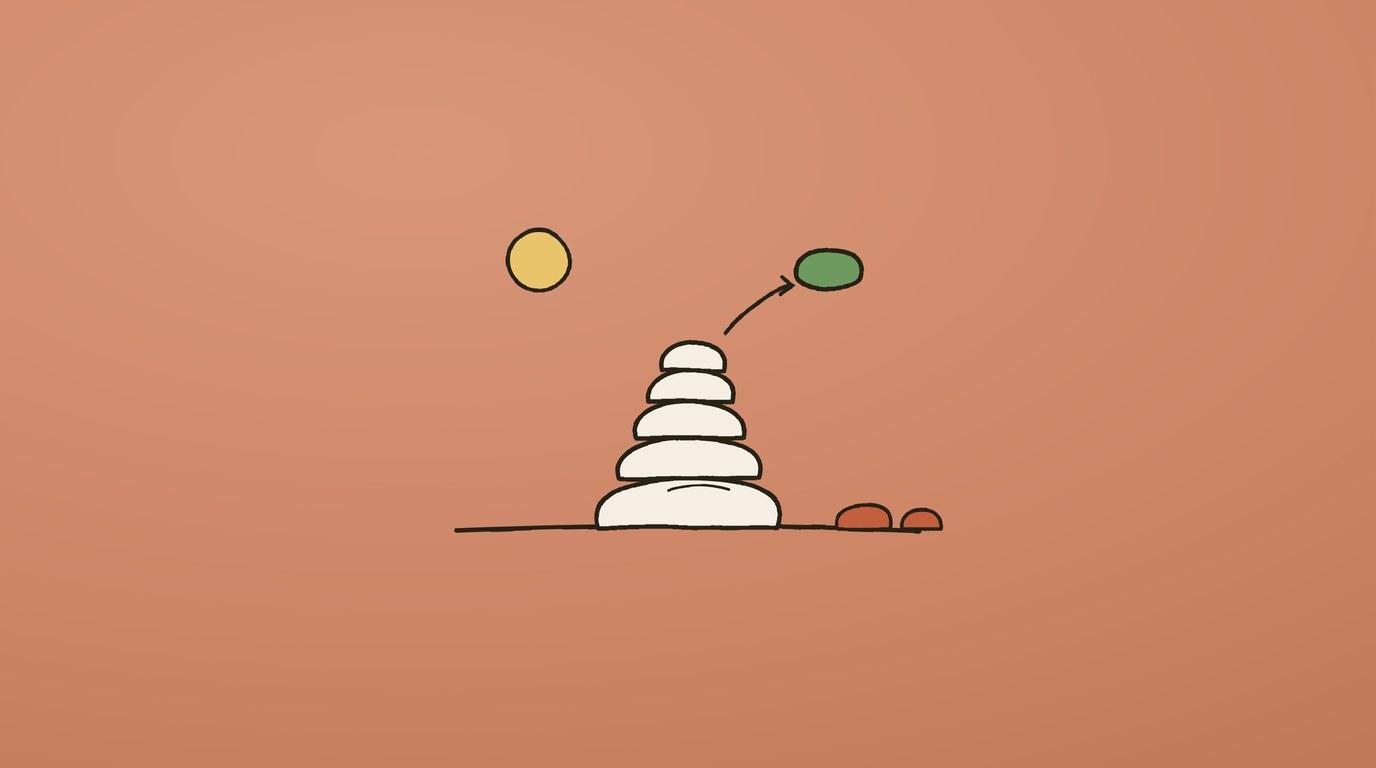
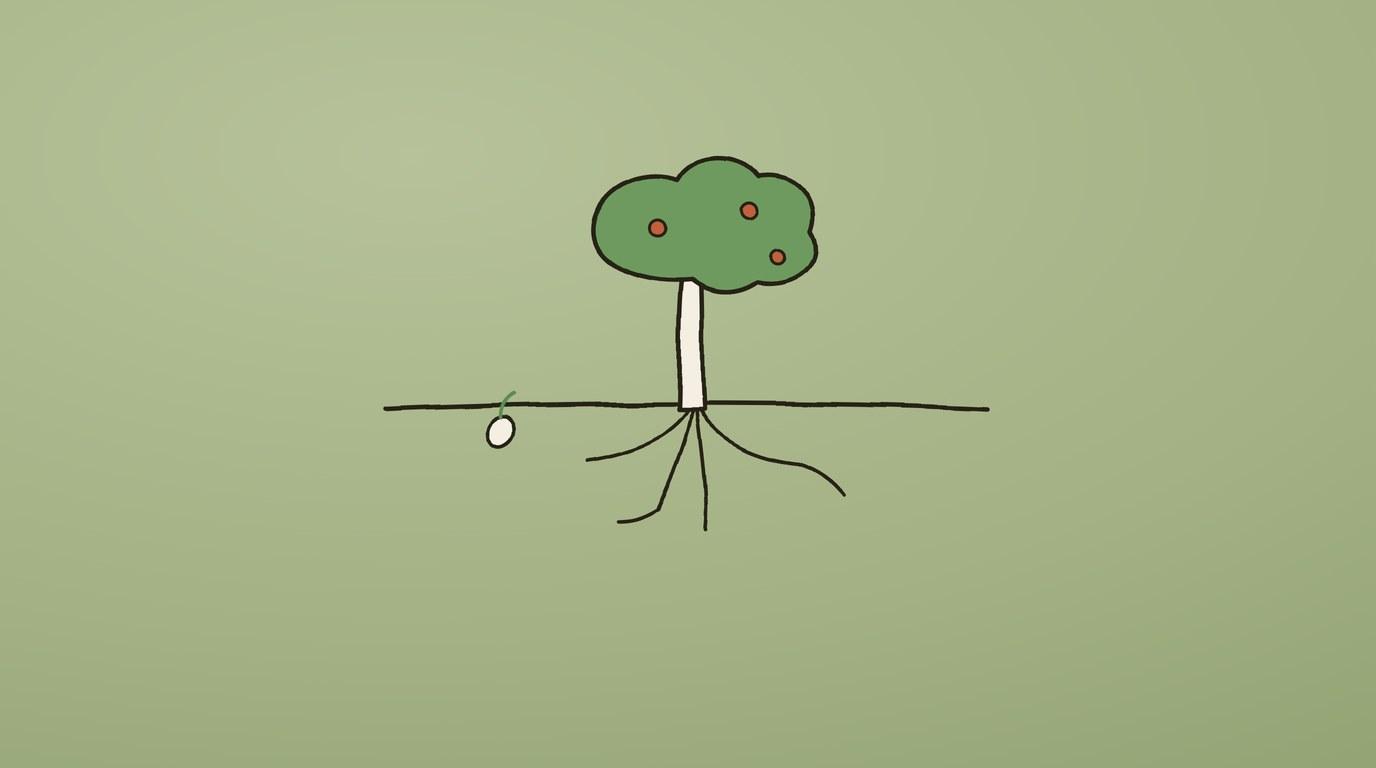
The curve has a hopeful second half. Every time you successfully recall something, the curve gets flatter. The next time, you hold onto it longer before it fades. Review at the right moments and the gap between reviews grows from a day to a week, to a month, to a year.
So the question isn't "how do I stop forgetting?" It's "how do I review each thing just before I forget it, without spending my life reviewing?"
For the deeper science, see the science of spaced repetition.
Habit 1: Pull it out, don't put it back in
The most common way to study, re-reading notes and highlighting, feels productive because the material looks familiar. Familiar isn't the same as remembered.
What builds memory is retrieval: trying to bring the answer back without looking. Psychologists call it the testing effect, and it's one of the most reliable findings in learning research. In a well-known 2006 study, Roediger and Karpicke found that students who practised recalling a passage remembered much more of it a week later than students who spent the same time re-reading it.
In practice, retrieval means:
- Flashcards, where you answer before you flip.
- Closing the book and writing down everything you remember.
- Explaining it out loud to someone, or to nobody.
Habit 2: Space it out
Retrieval is the engine; spacing is the timing. Spreading your reviews out over days and weeks beats doing the same number of reviews in one sitting, often by a wide margin. That's the spacing effect, and like the testing effect it's been confirmed across hundreds of studies.
The hard part is the timing. Review too soon and you waste time on things you know. Review too late and you're relearning from scratch. And every fact you know is on its own schedule.
Doing that by hand is impossible past a few dozen facts. This is why spaced-repetition software exists.
The system: let a scheduler do the remembering
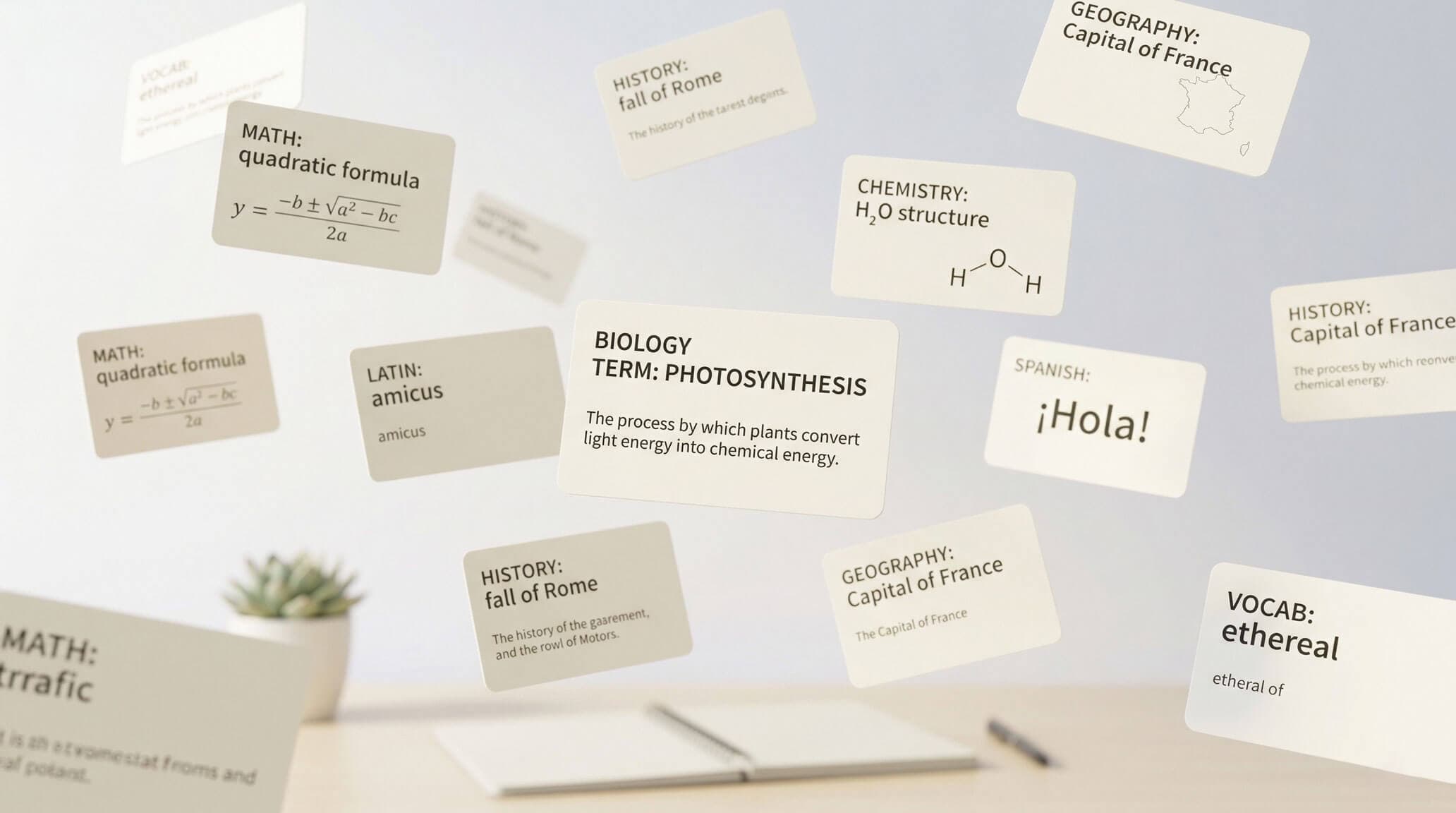
A spaced-repetition app turns the two habits into a daily routine:
- You see a card and try to recall the answer. (Retrieval.)
- You rate how it went: Again, Hard, Good or Easy.
- The app schedules the next review based on that rating and the card's history. (Spacing.)
- Each day, it shows you only what's due. Everything else waits until it needs you.
The modern algorithm for step 3 is FSRS (Free Spaced Repetition Scheduler). It models how likely you are to remember each card on each day, and schedules the review for when that likelihood has dropped to a target, rather than on a fixed ladder of intervals. The result is fewer reviews for the same retention. We explain how it works in why FSRS is the most advanced spaced repetition system.
What this means day to day: a few minutes of reviews, mostly cards that are about to slip, and a growing pile of cards you won't see again for months because you know them.
How to start (and keep going for years)
Start small. Twenty or thirty cards about something you actually care about beats five hundred cards you'll abandon. Add new cards in small batches each day.
One idea per card. "What are the three branches of government?" is three cards in disguise. Short cards are faster to review and easier to schedule. Our guide to digital flashcards covers how to write them.
Use your own material. Cards from your notes, your course or your job stick better than anything generic. You can type them, import a spreadsheet, or bring your Anki decks.
Show up most days, briefly. Five minutes daily beats an hour on Sunday. The scheduler only works if you open it.
Missed a week? Don't quit. A pile of due cards is normal after a break, and it's easy to work down. Here's how to catch up on a flashcard backlog.
Hear it, too. For languages and tricky vocabulary, a card that's read aloud gives you the sound as well as the spelling, every time it comes back. See text-to-speech flashcards.
Cramming vs remembering
Cramming isn't useless. If you need something for a test on Friday and never again, it works. It just doesn't last, and it's expensive: you'll relearn the same material from scratch next time.
| Cramming | Spaced repetition | |
|---|---|---|
| Good for | A test this week | Anything you want to keep |
| Time per fact | High, repeated each time | Low, and falling with each review |
| Memory after 6 months | Mostly gone | Mostly there |
| Feels like | Stressful sprint | A few minutes a day |
If you're preparing for a big exam months away, spaced repetition gets you there and leaves you knowing it afterwards.
Where MintDeck fits
MintDeck is a free spaced-repetition app for iPhone built for exactly this: keeping what you learn for years. It uses FSRS, has no daily cap on reviews and no ads, and you don't need a subscription to study. Every card can also speak in a natural on-device voice, in 31 languages, offline.
Bring your own decks, start from a free deck, or type your first twenty cards tonight.
Get MintDeck free on the App Store →
Related: The science of spaced repetition · Why FSRS matters · 10 proven study techniques · How to create a study schedule
Frequently asked questions
- How do you remember what you learn long-term?
- Two habits do most of the work. First, test yourself instead of re-reading: pulling an answer out of memory strengthens it far more than looking at it again. Second, space those tests out, reviewing each fact just before you'd forget it, at gaps that grow from days to months. A spaced-repetition app handles the timing for you.
- Why do I forget things so quickly after learning them?
- Forgetting is the default. Without review, memory for new material drops steeply in the first days and then levels off, a pattern first measured by Hermann Ebbinghaus in the 1880s. Each well-timed review flattens that curve, so the next gap before you forget is longer.
- How often should I review to remember something for years?
- Less often than you'd think, if the timing is right. A new fact might come back after a day, then a few days, then a couple of weeks, then months. A modern scheduler such as FSRS sets each gap per card, based on how well you remembered it last time.
- Is spaced repetition only useful for exams?
- No. It suits anything you want to keep: a language, medical or legal vocabulary, professional knowledge, a musical repertoire, the names in a book you loved. Cramming works for a test on Friday; spaced repetition works for the rest of your life.
- Do I need to pay for a spaced-repetition app?
- No. Anki is free on desktop and Android. On iPhone, MintDeck is free to study with FSRS scheduling, no daily cap and no ads. Only its optional AI deck creation uses credits.
Written by
Sergiu Puscas · Creator of MintDeck
Sergiu builds MintDeck and writes every guide and comparison on this blog — drawing on building an FSRS-based flashcard app and hands-on testing of the study apps covered here.
More about Sergiu